
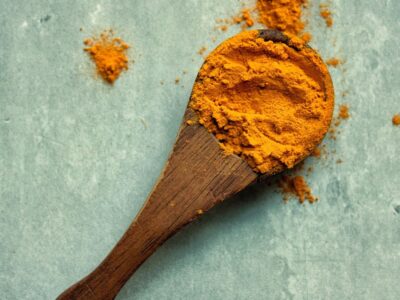
Turmeric is my go-to spice when I’m cooking Indian-inspired meals, or when I want to add a vibrant yellow hue to recipes like tofu scramble.
Its earthy flavor and bold color make it a staple in my spice rack, especially for plant-based dishes that could use a little visual and flavor boost. Just a pinch can take a dish from basic to bold, but too much can overpower the entire meal.
Over time, I’ve learned that balancing turmeric with other spices like cumin, coriander, or black pepper can really help round out its sharp edges. Whether I’m building a curry or upgrading leftovers, turmeric shows up again and again.
Jump to:
What is Turmeric?
Turmeric is a root commonly used in Indian, Southeast Asian, and Middle Eastern cooking, known for its earthy flavor and rich yellow-orange color.
It comes from the Curcuma longa plant, a member of the ginger family, and it’s a staple in many spice cabinets for good reason. Not only is it celebrated for its culinary uses, but it’s also known for its potential anti-inflammatory benefits.
While turmeric is often sold as a dried powder, it’s also available fresh and in supplements. Its color, flavor, and nutritional benefits make it a pantry must-have for plant-based cooks.
Dried/Ground
Ground turmeric is made by drying and powdering the root. This version is the most commonly used in cooking and is great for curries, rice, tofu scramble, and even lattes.
Fresh
Fresh turmeric root looks similar to ginger, with a vibrant orange interior. It’s more pungent and slightly less bitter than the dried version, with a strong aroma.
What Does Turmeric Taste Like?
Turmeric has a bold, earthy flavor with warm, slightly bitter undertones. It adds depth to savory dishes and balances well with other spices.
You’ll often find it used in spice blends or seasoning bases where it brings both color and complexity without overpowering the dish, especially when used in moderation.
Taste
Turmeric’s taste is grounding and mildly bitter, with a peppery edge. It adds structure to dishes, making it especially fitting for deep, savory recipes. Cooked into a dish, it softens slightly while still lending a distinct flavor that’s hard to miss.
Smell
The smell of turmeric is earthy and musky with a dry, sharp intensity. It becomes even more aromatic when heated, adding a warm scent to soups, curries, and rice dishes that instantly feels comforting and familiar.
Texture
Ground turmeric has a soft, powdery texture that mixes easily into sauces and liquids. Fresh turmeric root, when grated, feels slightly moist and coarse, similar to ginger but a bit more fibrous.
Different Forms of Turmeric
Turmeric is versatile and comes in multiple forms, each with unique uses depending on your cooking style.
Turmeric Powder: This is the most common and convenient form, made by drying and grinding turmeric root. It’s perfect for cooking, teas, and spice blends, and stores well in a cool, dry place.
Fresh Turmeric Root: Fresh turmeric is more aromatic than the dried version, with a vibrant color and stronger flavor. It’s ideal for grating into soups, smoothies, or stir-fries, and works especially well when you want a punch of freshness.
Turmeric Capsules: Capsules are typically used as dietary supplements, offering a concentrated dose of turmeric’s active compound, curcumin. They’re convenient for those taking turmeric for its potential health benefits without altering their diet.
Turmeric Paste: This is usually a blend of turmeric powder, oil, and water, sometimes with black pepper for better absorption. It's commonly used in golden milk, marinades, or as a curry base to easily infuse dishes with flavor and color.
How to Use Turmeric
Turmeric can be used in a wide range of plant-based recipes. A small amount adds both flavor and color. It’s also used in drinks, including golden milk and teas.
For the best results, combine turmeric with black pepper, which enhances the absorption of its active compound, curcumin. Whether you're adding it to rice, blending it into sauces, or using it to make your own spice mix, turmeric is a flexible and functional ingredient.
Where to Find Turmeric
Online
You can find turmeric in powder or capsule form through online retailers like Amazon or Thrive Market.
Ethnic Sections & International Grocery Stores
Most mainstream grocery stores carry ground turmeric in their spice aisle, and it's a staple in Indian, Middle Eastern, and Asian markets.
Farmers Markets
Fresh turmeric root can sometimes be found at local farmers markets, especially those with South Asian or tropical produce vendors.
Recipes with Turmeric

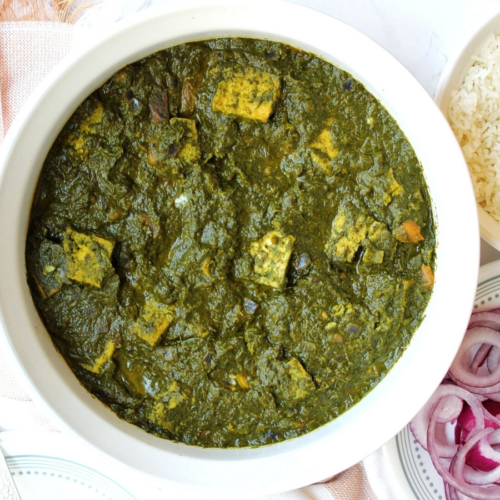
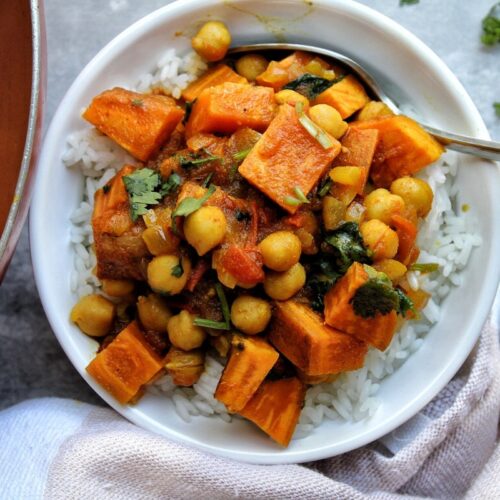
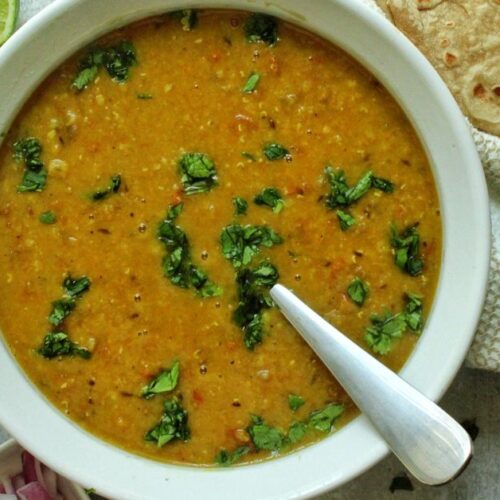
Frequently Asked Questions About Turmeric
Turmeric pairs well with legumes, root vegetables, grains, tofu, and leafy greens. It also blends beautifully with ginger, garlic, and coconut milk.
Turmeric is known for its anti-inflammatory and antioxidant properties, largely thanks to its active compound, curcumin. It may support digestion and joint health when consumed regularly.
Turmeric’s flavor is unique but can remind some of mustard, ginger, or even horseradish in intensity. It has a slightly bitter, peppery edge that stands out in dishes.
Cooking it with fat (like olive oil or coconut milk) and black pepper helps with absorption. It’s great in soups, curries, and rice-based dishes.
Turmeric is primarily used to flavor and color food, especially in Indian, Middle Eastern, and plant-based cooking.
Curry is a blend of spices (often including turmeric), while turmeric is a single spice on its own.
 Oat Bran vs Oatmeal: Which Is Healthier? Nutirition, Fiber & Benefits
Leave a Reply